Pelvic Health Physiotherapy
Pelvic floor muscles can experience weakness, overactivity, or dysfunction, leading to a range of issues. Our approach combines education, hands-on therapy, targeted exercises, and biofeedback techniques to enhance pelvic floor muscle function and alleviate symptoms.
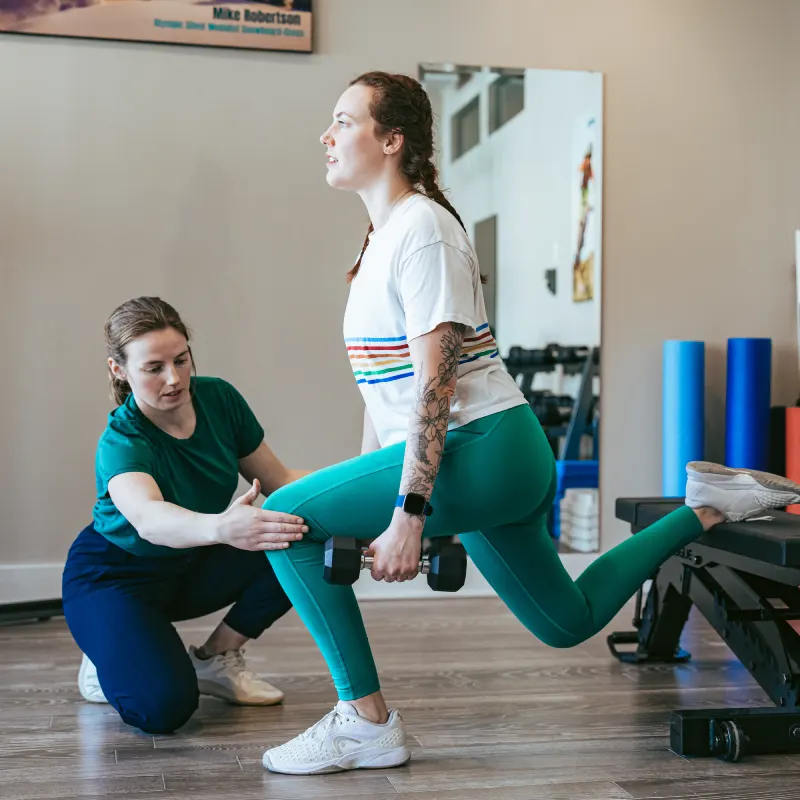
Following a comprehensive assessment, our therapists create personalized treatment plans tailored to each patient’s unique needs. These plans may incorporate exercises to strengthen and coordinate pelvic floor muscles, biofeedback to enhance muscle awareness and control, and manual therapy to release tension in tight or overactive muscles.
With pelvic health physiotherapy, we aim to enhance quality of life, restore function, and empower individuals to take charge of their pelvic health journey.
What To Expect
Your first pelvic health physiotherapy session is all about understanding your needs and goals. Expect a thorough discussion of your medical history and symptoms, ensuring a personalized approach. Physical assessment, including an internal examination with your consent, evaluates muscle strength, tone, and coordination.
After assessment, we’ll tailor a treatment plan just for you, incorporating exercises, lifestyle adjustments, manual therapy, and biofeedback. You’ll also receive education on pelvic health, anatomy, posture, and symptom management.
Essentially, this session is about crafting a road map for your pelvic health journey, setting achievable goals, and empowering you to take charge of your well-being.
What our Pelvic Health Physiotherapist Treats
Our certified Pelvic health physiotherapist Emma, treats various pelvic floor muscle-related conditions, including:
- Urinary incontinence: Improves muscle strength and coordination to reduce or eliminate leakage.
- Pelvic pain: Alleviates pain from conditions like endometriosis, interstitial cystitis, and vulvodynia.
- Prolapse: Enhances muscle support and function to mitigate symptoms.
- Sexual dysfunction: Addresses issues like pain, sensitivity, and erectile dysfunction for improved sexual function.
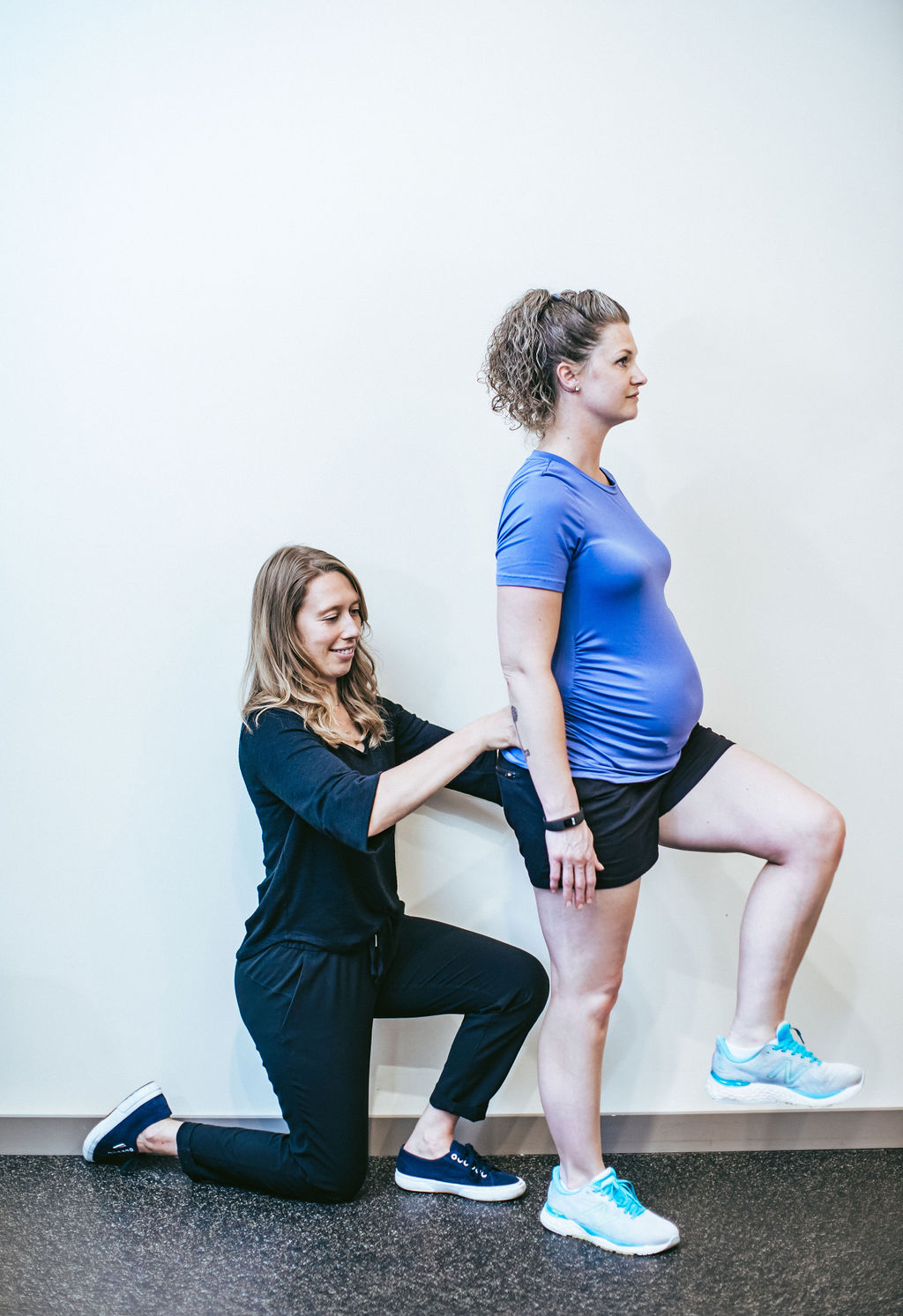
- Pregnancy and postpartum musculoskeletal issues: Targets concerns like diastasis recti, pelvic girdle pain, and pelvic floor dysfunction.
- Bowel dysfunction: Improves bowel function, tackling issues such as incontinence and constipation.
Insurance Coverage
Physiotherapy treatments are covered within many extended health plans. Direct billing for many different insurance providers may be available. Be sure to check your individual plan to confirm physiotherapy coverage.