
Keystone Health Blog
Step-by-Step Concussion Return-to-Sport & Work Protocol
Posted October 13, 2026

Author: Keystone Clinical Health Team
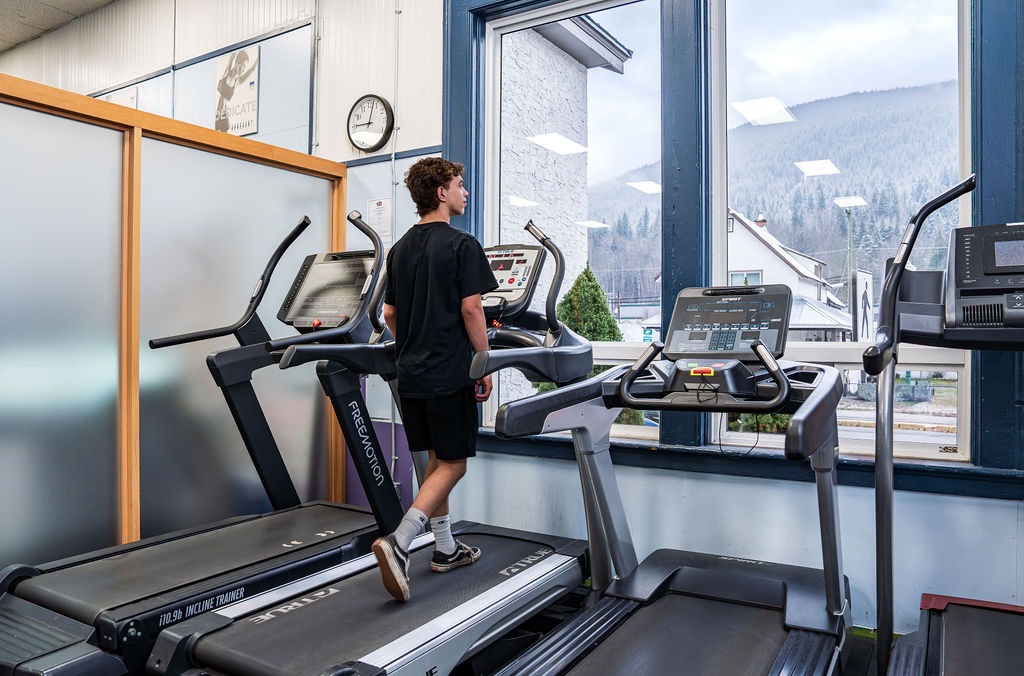
Understanding the Dual Progression: Work/School and Sport
Recovery rarely happens in a vacuum. Active individuals, athletes, and professionals must balance two parallel paths: Return-to-Learn/Work and Return-to-Sport/Physical Activity.
Cognitive strain, such as analyzing spreadsheets, attending lectures, or staring at bright monitors, uses significant cellular energy. Pushing through severe cognitive fatigue can spike physical symptoms like headaches and nausea just as easily as a heavy workout. Therefore, cognitive adjustments should run alongside physical progression to ensure the brain isn’t overtaxed on multiple fronts at once.
The 6-Step Gradual Return Protocol
Step 1: Relative Rest (First 24 to 48 Hours)
The primary goal immediately after an impact is to let the brain’s initial cellular energy crisis stabilize.
- Physical & Cognitive Expectations: Engage in light daily tasks around the house, short walks, and casual, low-stress conversations.
- Work/School Adjustments: Take temporary time off or implement maximum accommodations (e.g., no screen time, postponed exams, no heavy focus work).
- Key Guardrail: Avoid strenuous exercise, heavy lifting, intense screen usage, and high-demand cognitive tasks.
Step 2: Light Aerobic Activity (Sub-Symptom Threshold)
After 48 hours, complete inactivity becomes counterproductive. Reintroducing light cardiovascular movement promotes cerebral blood flow regulation and releases neuroprotective growth factors.
- Physical Activity: Gentle stationary cycling, walking, or light treadmill walking. Keep exertion light to moderate (aiming for sub-symptom heart rates). Avoid activity levels that make your symptoms feel worse.
- Work/School Adjustments: Gradual reintroduction of light cognitive tasks in brief 15–20 minute intervals, taking frequent breaks.
- Key Guardrail: Avoid resistance training, high-intensity intervals, and any activity with a risk of head impact or rapid direction changes.
Step 3: Sport-Specific Exercise & Dual-Tasking
Once light aerobic exercise is well tolerated, progression shifts toward movement patterns tailored to your specific sport, job, or active lifestyle.
- Physical Activity: Individual running drills, skating, or sport-specific agility work. Incorporate basic dual-tasking exercises (e.g., tracking a ball while jogging or performing balance tasks while counting backward).
- Work/School Adjustments: Partial-day attendance or remote work with reduced screen brightness, modified assignment lengths, and scheduled rest breaks.
- Key Guardrail: Strictly no body contact, head-impact risks, or high-velocity group drills where unexpected collisions could occur.
Step 4: Non-Contact Training Drills & Full Cognitive Return
This phase increases cardiovascular load, motor coordination, and complex spatial awareness, preparing the body and brain for unpredictable, high-demand environments.
- Physical Activity: High-intensity non-contact practice, complex passing drills, progressive resistance training, and sport-specific tactical training.
- Work/School Adjustments: Full-time return to work or school with minimal accommodations remaining (e.g., extra time on complex tasks if needed).
- Key Guardrail: Complete a thorough clinical evaluation of balance, gaze stability, cervical spine mechanics, and reaction times before moving to unrestricted activities.
Step 5: Full-Contact Practice (Medical Clearance Required)
Before entering any high-risk environment or full-contact scenario, formal medical evaluation and clearance from a qualified healthcare practitioner are essential.
- Physical Activity: Participating in unrestricted, full-contact practice, scrimmages, body-checking drills, or high-intensity sparring.
- Key Focus: Restoring physical confidence, testing autonomic tolerance under peak exertion, and ensuring zero symptom recurrence during chaotic movements.
Step 6: Unrestricted Return to Sport and Daily Life
Full competition, unrestricted workplace demands, and total re-entry into daily life.The Golden Rules of Progression
Navigating this protocol successfully requires adhering to three fundamental clinical guidelines:
- The 24-Hour Rule: Each step should take a minimum of 24 hours. Moving through the entire protocol requires several days, even in the most straightforward recoveries.
- Managing Symptom Flares: A mild, temporary increase in symptoms (e.g., a slight change of 1–2 points on a 10-point scale that settles quickly) during activity is often normal. However, if symptoms spike significantly or persist after stopping, stop the activity immediately.
- Step-Back Protocol: If a major symptom flare occurs, rest until symptoms return to baseline (typically 24 hours), then step back to the previous fully tolerated stage before trying to advance again.
If progress stalls at a particular stage for more than a few days, an integrated clinical assessment of the cervical spine, visual-vestibular system, or autonomic system can help identify and resolve underlying physical drivers.
Selected Research & Evidence
Patricios, J. S., et al. (2023). Consensus statement on concussion in sport: the 6th International Conference on Concussion in Sport held in Amsterdam, October 2022. British Journal of Sports Medicine, 57(11), 695–711. Read Consensus Statement
Schneider, K. J., et al. (2021). Rest and exercise early after sport-related concussion: a systematic review and meta-analysis. British Journal of Sports Medicine, 55(20), 1135–1142. Read Study on PubMed
Leddy, J. J., et al. (2019). Early Subthreshold Aerobic Exercise for Sport-Related Concussion: A Randomized Clinical Trial. JAMA Pediatrics, 173(4), 319–325. Read Study on PubMed
Podcast Resource
For a deeper discussion on concussion recovery timelines and active rehabilitation strategies, listen to Fraser Sprigings on Episode 44: Beyond the Bump – Concussion Recovery with Cronometer. Listen to the Episode Here
Explore more from the Keystone Health Blog

Medical Expense Tax Credit in British Columbia
Did you know BC residents who incur out-of-pocket healthcare expenses may be eligible to claim certain costs under the Medical Expense Tax Credit (METC)?