Keystone Health Blog
Measuring What Matters
How Quantifiable Strength & Movement Testing Supports Recovery and Performance
Posted March 14, 2026

Author: Fraser Sprigings
Physiotherapist

Movement Matters in Revelstoke
When injury occurs or when individuals want to improve their physical capacity, restoring and optimizing movement becomes essential.
Supporting the Full Spectrum: Recovery to Performance
Care exists along a continuum:
- rehabilitation after injury or surgery
- safe return to work or sport
- injury prevention and resilience
- performance and efficiency improvements
Regardless of the starting point, the goal remains the same: confident, capable movement.
Why Measuring Strength and Movement Matters
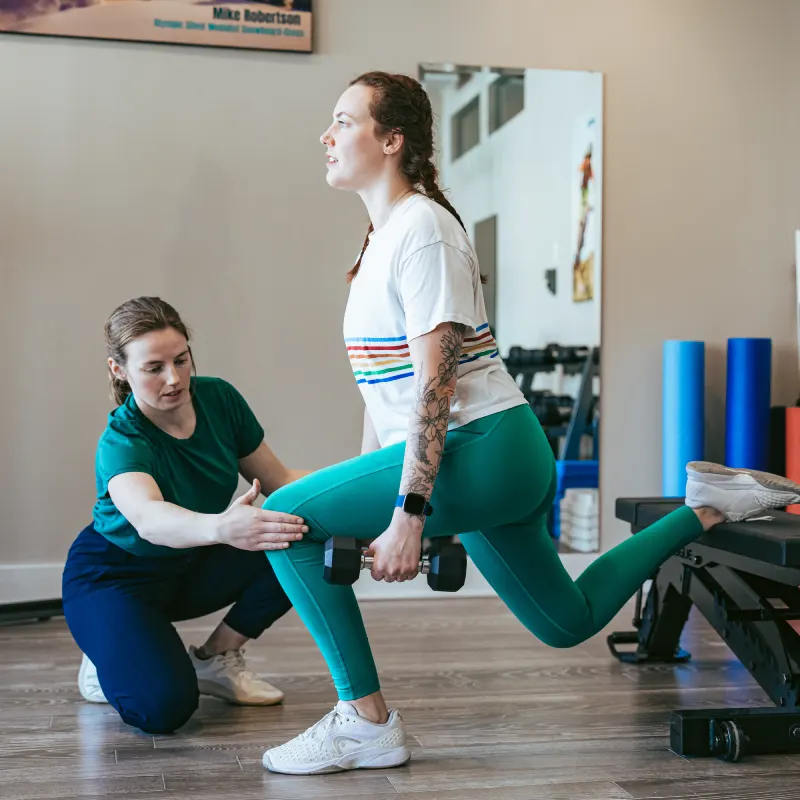
Quantifiable measurements provide clear insight into:
- muscular strength and imbalances
- side-to-side asymmetry
- force production and control
- neuromuscular performance
Research supports using quantifiable benchmarks to guide rehabilitation and return-to-activity decisions more safely and effectively. [1]
Establishing a Baseline: Understanding Your Starting Point
Effective rehabilitation and performance planning begin with understanding where you are today.
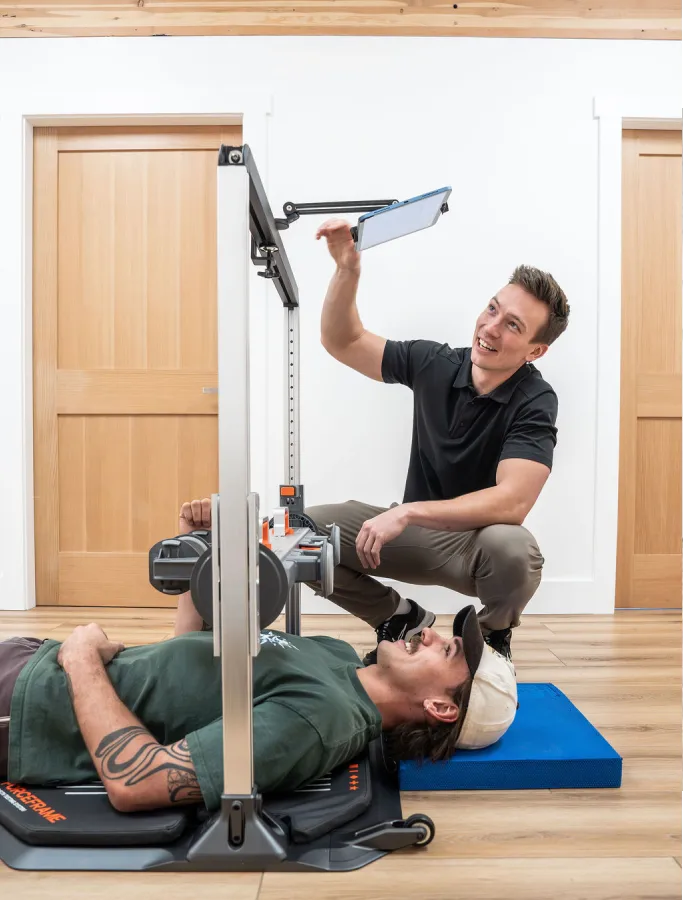
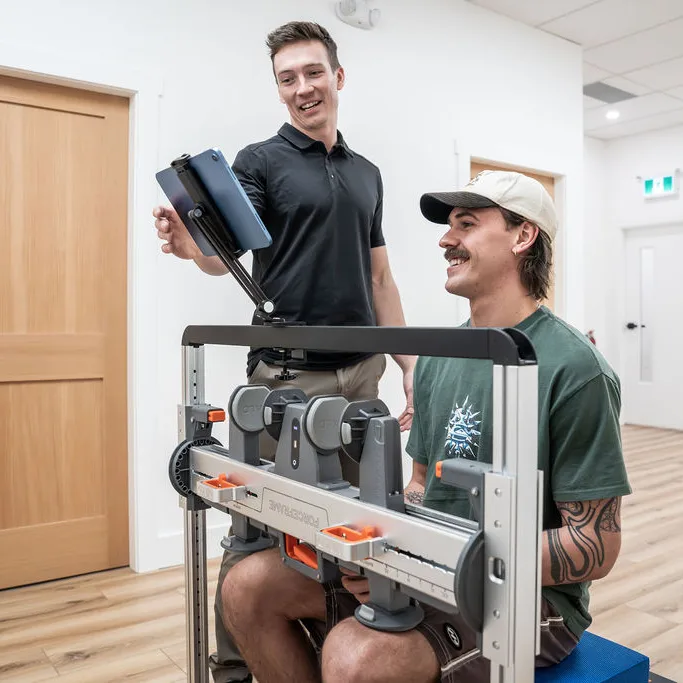
At Keystone Health, tools such as the VALD ForceFrame, dual force plates, and Dynamo dynamometer allow practitioners to measure strength, stability, and movement patterns with precision.
These assessments help identify:
- strength differences between sides
- mobility or stability limitations
- compensatory movement patterns
- rates of fatigue that can increase someone’s risk when tired
- weaknesses that may increase injury risk
- comparing individual performance to normative values to evaluate recovery
These findings help guide treatment priorities and training focus from the outset.
Tracking Progress: Turning Effort Into Measurable Change
Recovery and performance improvement are rarely linear. Ongoing measurement allows practitioners to monitor progress and adjust programs as the body adapts.
Reassessment using objective metrics helps:
- confirm strength gains
- monitor restoration of symmetry
- evaluate readiness for increased load
- guide safe progression
Monitoring neuromuscular performance over time has been shown to support training decisions and recovery management. [2]
Seeing Progress Builds Confidence and Motivation
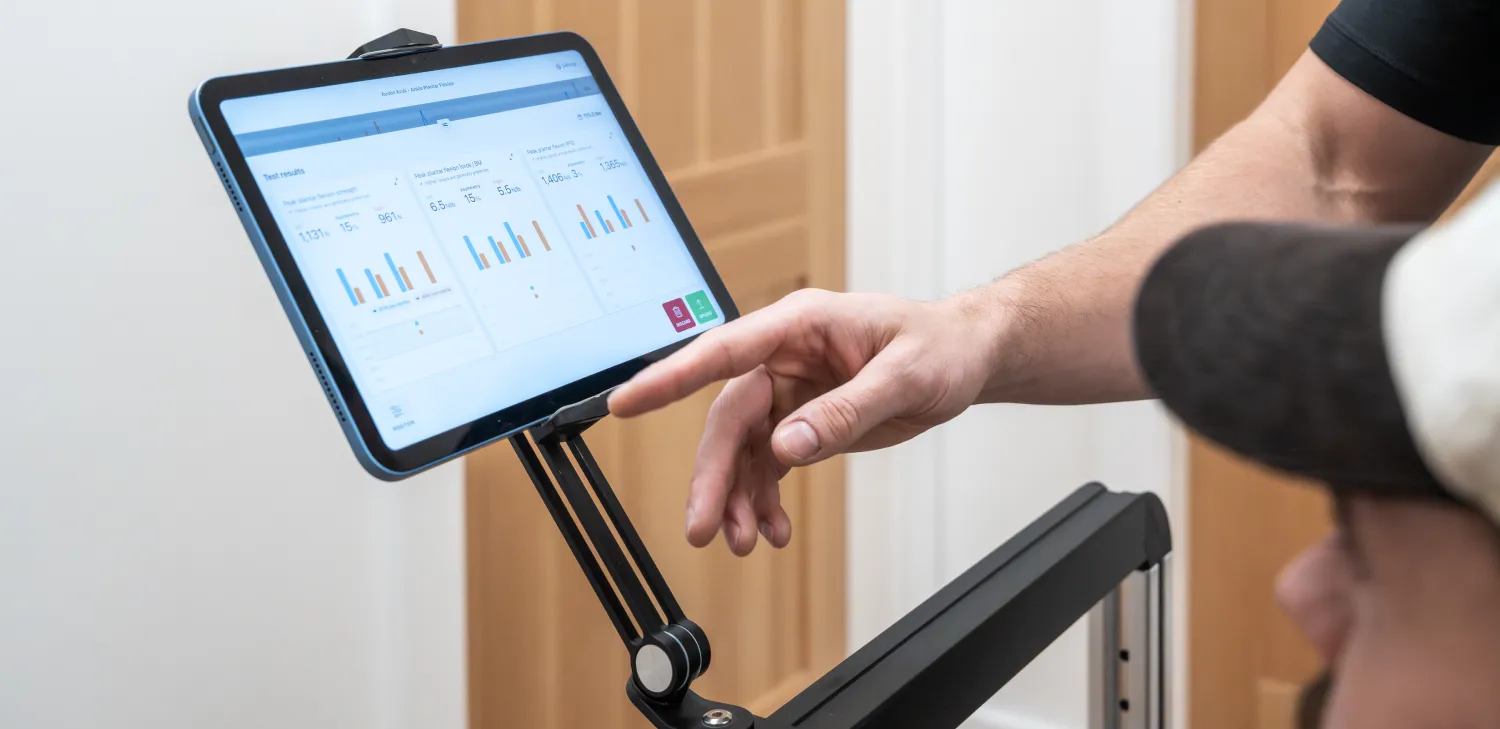
Progress can be difficult to perceive day to day. Objective quantifiable data provides clear feedback that helps patients understand how their body is improving and improve therapists ability to forecast the plan of care timeline.
Visual graphs and measurable results allow individuals to:
- see improvement over time
- understand areas needing attention
- stay motivated and engaged
- feel confident progressing toward goals
This clarity often improves adherence to rehabilitation and training programs.
Data-Informed Care: Supporting Safe Return to Activity
Returning to work, sport, or recreation too early can increase the risk of reinjury. Objective measurement helps guide decisions based on function rather than timelines alone.
Strength and performance benchmarks help ensure the body is prepared for the demands of activity and support long-term durability. [3]
What to Expect During Testing
Objective strength and movement testing is straightforward, safe, and tailored to your goals and comfort level.
A typical assessment may include:
Initial discussion
Review of your injury history, goals, and activity demands.
Movement and strength testing
You may perform controlled movements such as pushing, pulling, balancing, or jumping, depending on your needs. Tools such as the ForceFrame, dual force platforms, or Dynamo measure strength, stability, and force output.
Immediate feedback
Results are reviewed with you to identify strengths, imbalances, and areas for improvement.
Plan development
Your practitioner uses the findings to guide rehabilitation, training, and progression.
Testing is adapted to your stage of recovery and is designed to support, not aggravate, symptoms.
Measuring What Matters
By establishing a baseline, tracking progress, and adjusting care based on measurable outcomes, clinicians and patients can work together toward sustainable recovery, improved resilience, and enhanced performance.
What gets measured gets improved.
References
[1] Frontiers in Sports and Active Living. (2020). Monitoring return-to-sport progression after ACL injury.https://www.frontiersin.org/articles/10.3389/fspor.2020.00012/full
[2] Wu, P. P. Y., et al. (2019). Predicting fatigue using countermovement jump force-time signatures. Frontiers in Physiology. https://pmc.ncbi.nlm.nih.gov/articles/PMC6619745/
[3] Sugarman, B. S., et al. (2022). Isometric knee strength and readiness to return to sport after ACL reconstruction. International Journal of Sports Physical Therapy. https://ijspt.scholasticahq.com/article/39737
Explore more from the Keystone Health Blog
New Tools, Same Philosophy
Over the past year, we have added a few pieces of equipment to the gym floor that may look unfamiliar at first glance: a sled, a flywheel training system, and Keiser air-powered resistance machines. Learn why we chose these tools for Keystone!

When Things Go Valgus
Valgus isn’t a word you’ll hear underneath the chair lifts or in the maze awaiting the gondola. But when you see it happen in a crash, you’ll know by the unsettling visceral response your body shutters.

Medical Expense Tax Credit in British Columbia
Did you know BC residents who incur out-of-pocket healthcare expenses may be eligible to claim certain costs under the Medical Expense Tax Credit (METC)?